

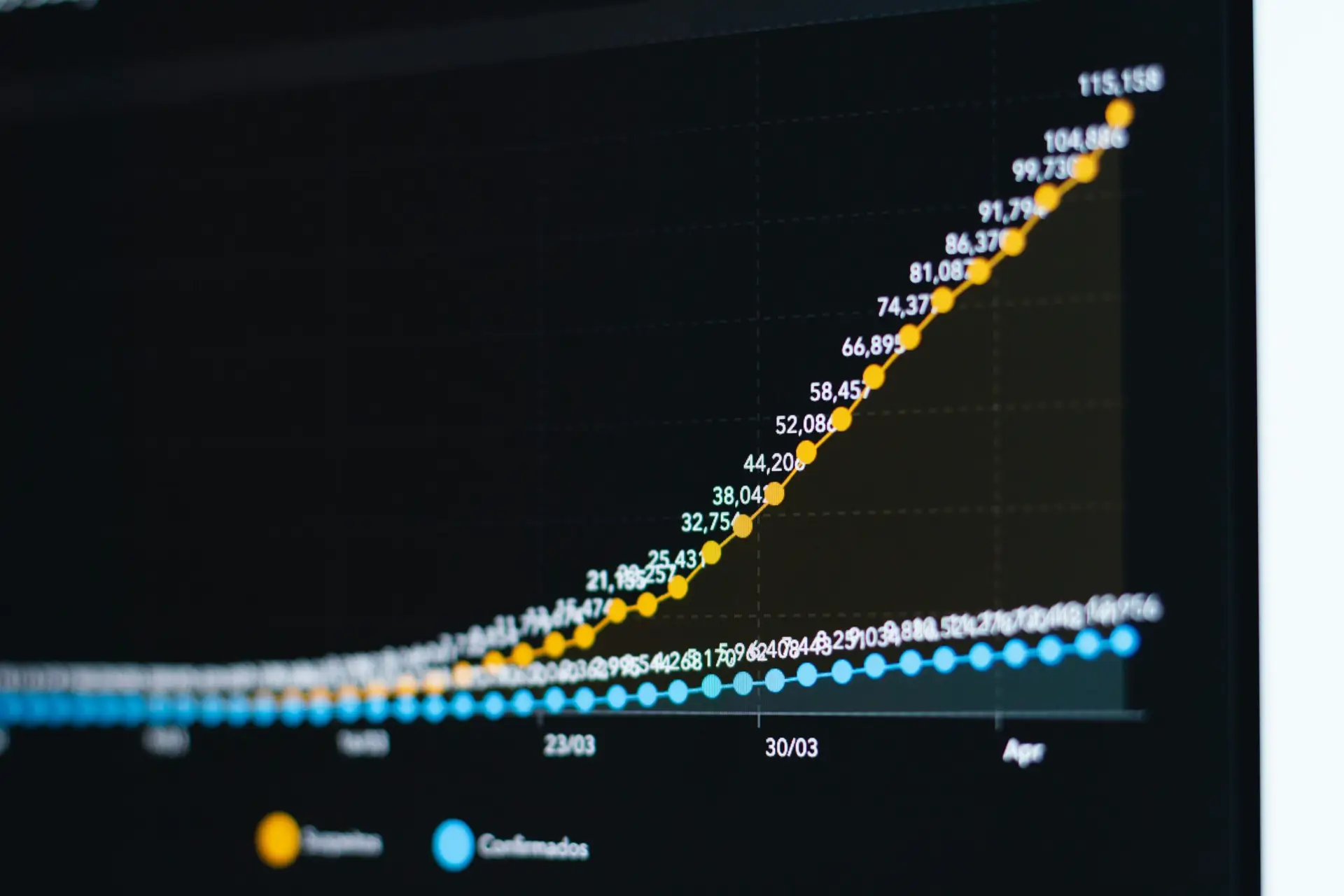
Autism prevalence is often quoted as one in a hundred, one in seventy, one in forty-four, depending on who you ask and where they are counting. The numbers vary. They are not the story.
The numbers have been moving upward for decades. Diagnosis has broadened, awareness has grown, clinical tools have improved, and more adults are finding themselves in a frame that was previously applied only to children. None of this means more people are Autistic than used to be. It means the counting has caught up, slightly, with the population.
Whose counting catches up
The counting has not caught up with everyone. Autistic girls and women are still diagnosed later than boys and men, and in smaller numbers, because most diagnostic tools were validated on boys and men and miss the different ways autism presents when masked well. Autistic people of colour are still diagnosed later and in smaller numbers than white Autistic people, for reasons that are racial, structural, and old. Autistic adults are still underdiagnosed, everywhere, because the public conversation frames autism as a childhood condition. First Nations Autistic people, refugee and migrant Autistic people, transgender and non-binary Autistic people, working class Autistic people, are all underrepresented in the figures. The figures reflect who gets assessed, not who exists.
When governments quote prevalence, they tend to pair it with a cost figure. The lifetime cost of supporting an Autistic person. This is a sleight of hand. Unemployment. Homelessness. Preventable mental health crises. Avoidable hospitalisations. Incarceration. The absence of early support. The absence of workplace adjustment. The absence of an educational environment that took five minutes to understand the student in front of it. Every one of those costs is a design failure in the systems, not a levy imposed by the person.
The cost figure sleight of hand
When inclusive systems are built, the bills drop. Autistic-led design, early and neurodiversity-affirming support, workplaces that make reasonable adjustments, schools that teach to difference rather than against it, all produce better life outcomes and better fiscal outcomes. The evidence on this has been clear for some time.
There is a deeper problem with the numbers debate, which is that it treats autism as a line item to be managed. The number of us. The cost of us. The burden of us. We are not a burden. We are a neurotype, part of human variation, and the variation is neither the problem nor the solution. The systems are the variable.
If you are a policymaker reading this, the number you should care about is not prevalence. It is the number of Autistic people in your jurisdiction who are excluded from education, work, housing, health, or safety, because a system was built without them in mind. That number you can change. Prevalence is not yours to adjust.
What policymakers should care about
Autism is trending. The systems have not noticed. The numbers are one more place that is true.