
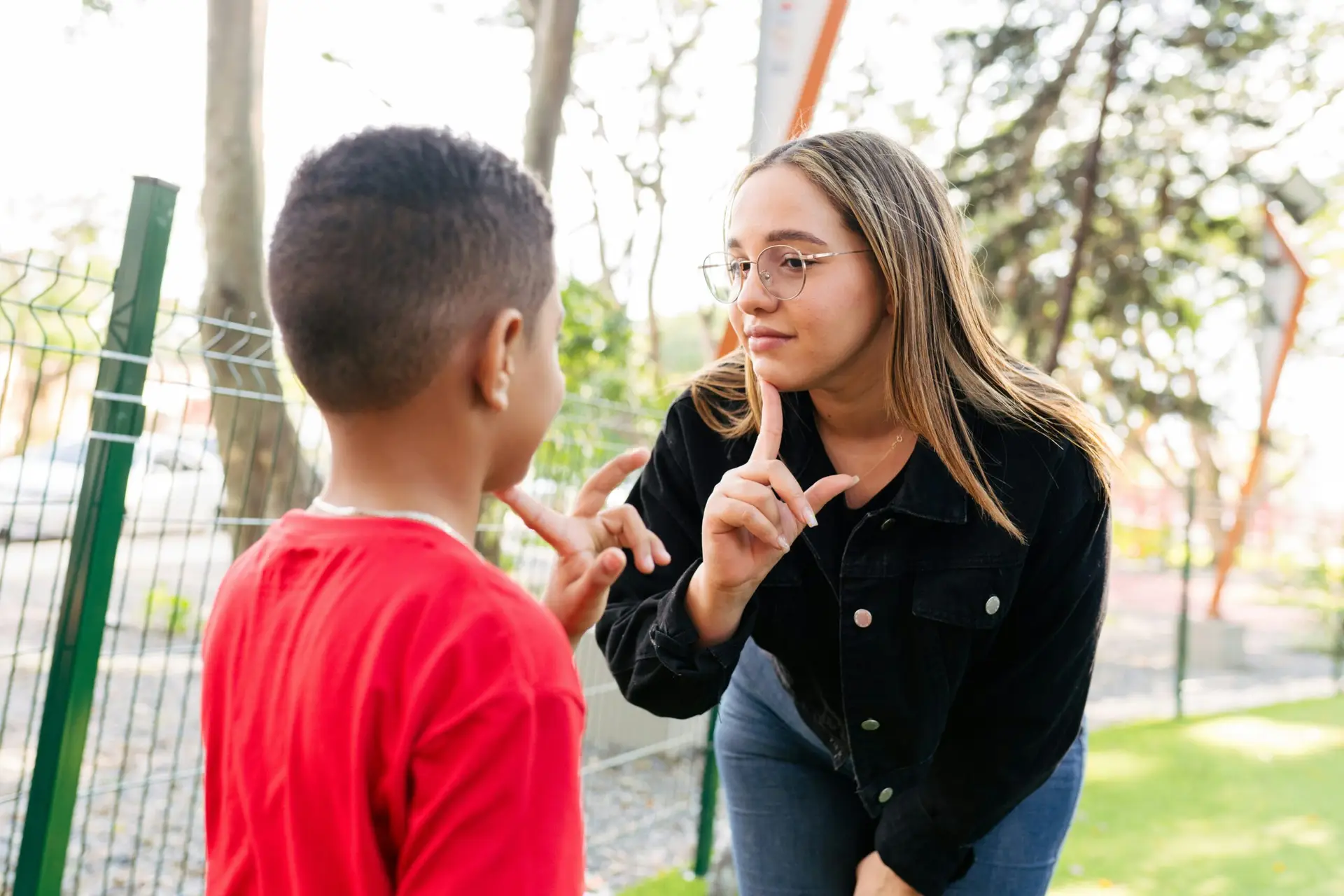
Some of us do not speak. Some of us spoke once and do not anymore. Some of us speak on good days and not on bad ones. Some of us speak in some contexts and not in others. None of this is a measure of intelligence, comprehension, or inner life.
The public conversation about autism still centres speaking Autistic people, and usually ones who speak well. The Autistic people who use AAC devices, who type, who gesture, who sign, who use picture boards, who use silence, are routinely treated as less capable, less present, less worth consulting.
Speech and comprehension are different systems
That treatment is a factual error. Comprehension and speech are different systems. A non-speaking Autistic person may be following every word being said about them in the third person in front of them. They very often are. The conversations where clinicians, teachers, family members have spoken as if the Autistic person were not in the room are conversations the Autistic person has remembered, and will remember.
Assume competence. This is the short version of everything that needs to change. The long version is that every environment a non-speaking Autistic person enters should have the communication tools they use available, and every professional in those environments should know how to work with those tools, not around them.
Assume competence
Situational mutism is also real for many speaking Autistic people. Under stress, under threat, in overwhelm, the speech system goes offline. The person is still there. The thoughts are still there. The capacity to write, sign, or type is usually still there. Waiting is almost always the right response. Pressing is almost always the wrong one.
Situational mutism
Autistic people are not silent. We are sometimes unspoken. The distinction matters.
The most reliably erased voices in the Autistic conversation are the ones who cannot raise theirs on demand. If your campaign does not include them, your campaign is incomplete.