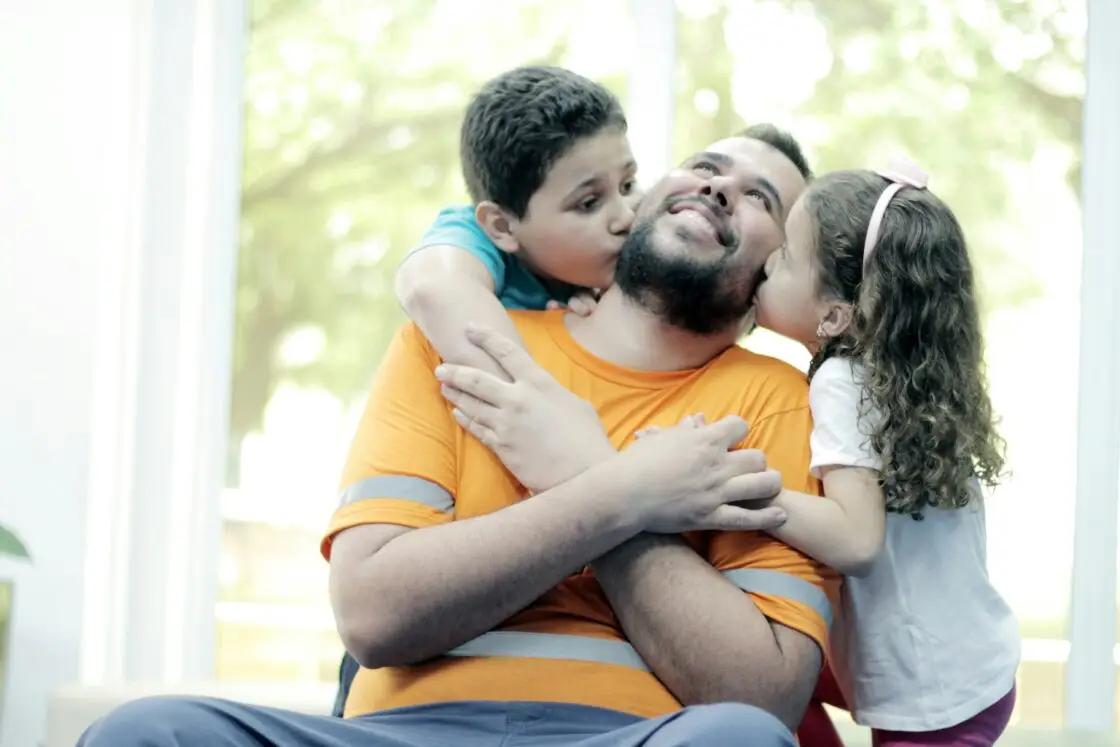

There are a lot of books written about parenting an Autistic child. There are very few books written about being a parent who is Autistic. The two are different topics. The literature has covered one and forgotten the other.
Some of us are Autistic and parenting Autistic children. Some of us are Autistic and parenting non-Autistic children. Some of us became parents before we knew we were Autistic, and have been working out, in real time, what that means about the years we have already spent doing this.
The texture of Autistic parenting
Autistic parenting has its own specific texture. The hyperfocus that makes us excellent at the thing the child is interested in this week. The pattern recognition that catches the regulatory wobble three days before the meltdown. The literal communication that means our children always know what we mean and where they stand. The specific interests we share with our children that become the longest-running conversations in their lives. The infodumping, returned now in their direction, met with their patience or their delight or their eye-roll, all of which are forms of love.
The costs
It also has its costs. The sensory load of small children is immense, and many of us are running close to capacity even before the school run. The interruption is constant, and our deep-focus brains were not built for interruption. The social architecture of parenting, the WhatsApp groups and the school gates and the playdates and the parent committees, is exhausting in ways that other parents may not register. We are often the parent who showed up at the school event but stood in the corner, not because we did not care, but because the room cost us more than it cost them.
The deficit literature about Autistic parents has been particularly cruel. It has framed our literal communication as cold. It has framed our sensory needs as neglectful. It has framed our routines as rigid. It has framed our differences from the non-Autistic parenting norm as failures of warmth, when in fact our children, asked, will usually describe us as some of the warmest, most attentive, most specifically present adults in their lives.
What helps
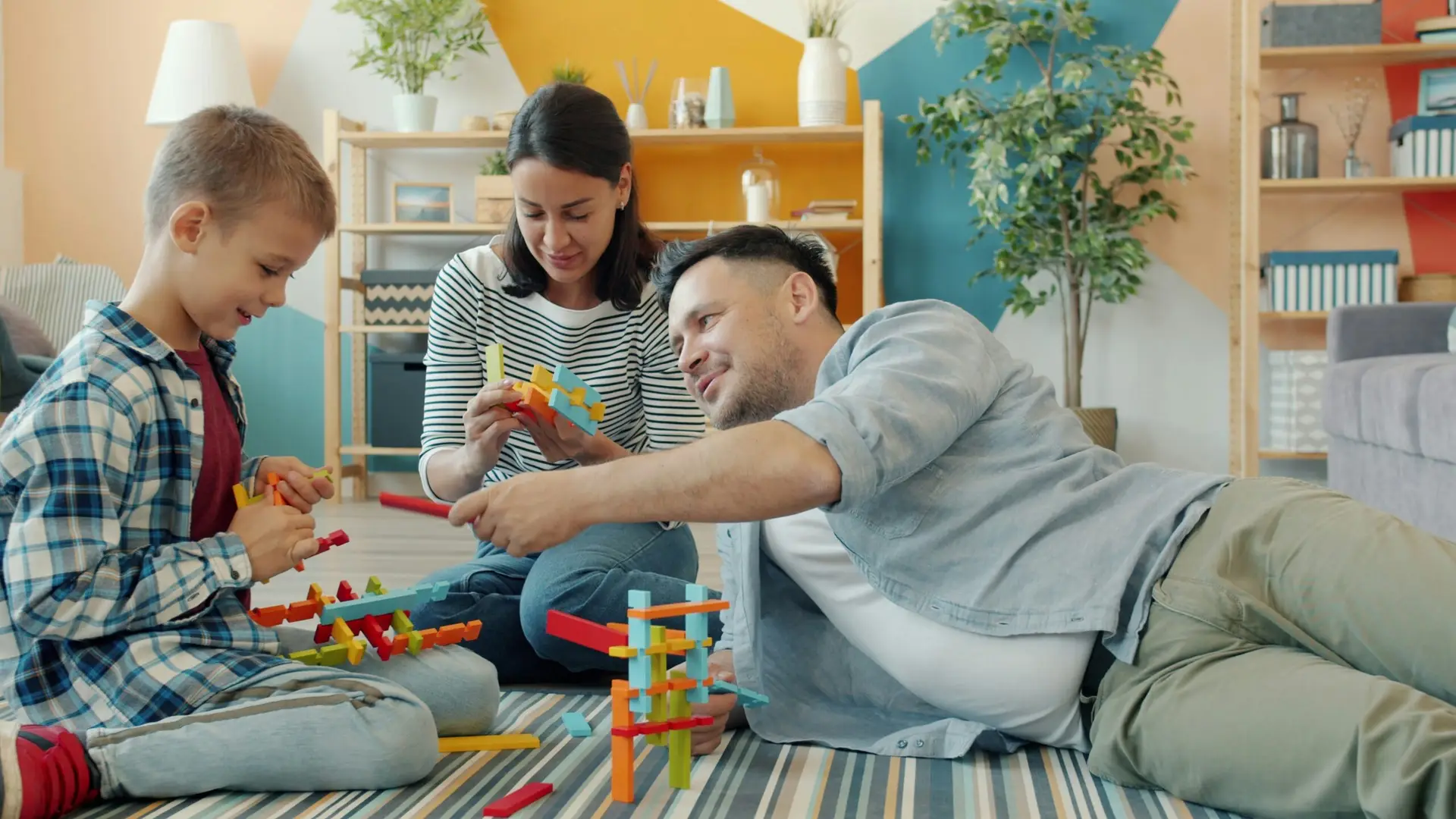
What helps. Other Autistic parents. Communities of them, online or in person, who can name the exhaustion without prescribing what they think we should do about it. Permission to parent in our own register. The willingness to skip the events that cost too much. The willingness to be the parent who sits on the floor with the child for two hours building the train track instead of attending the school cake stall. Both are parenting. The first is what most of us are good at.
If you are an Autistic parent reading this, you are not failing your children by being Autistic. You are parenting them as Autistic, which is to say, with depth, with literalism, with sensory specificity, with the kind of focus on what they actually love that most non-Autistic parents have to work for. Your children are lucky in particular ways. The specific ways. The ways the books did not cover.