

Autistic relationships do not look like what the magazines describe. The magazines are describing non-Autistic relationships. We have been reading them our whole lives and wondering why the formula has never applied.
An Autistic friendship might run for years without a phone call. Picked up where it left off, whenever either of us has capacity. No maintenance labour. No weekly catch-up requirement. No guilt about the gap. The bond is not storage-dependent. It was set.
Friendship without maintenance
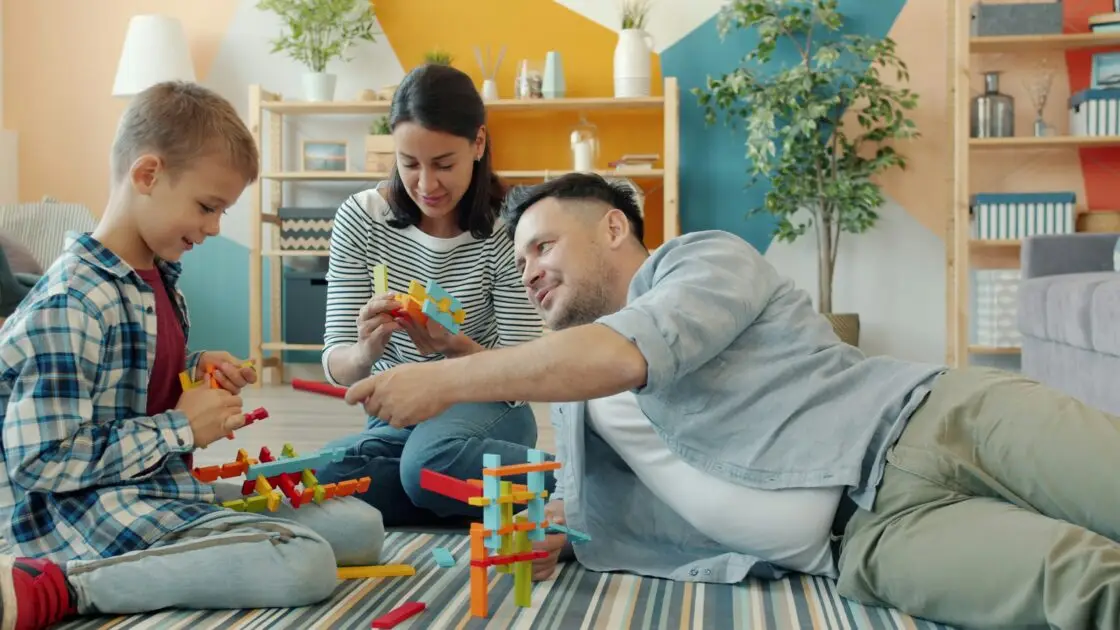
An Autistic partnership might be built on parallel play. Two people in the same room, each absorbed in their own thing, occasionally looking up. The quiet is not an absence. It is the relationship. The best partnerships many of us have had are the ones where we are allowed to be silent together and the silence is not graded.
An Autistic love language often includes infodumping. A partner who wants to hear about your SPIN, in depth, for an hour, is a partner who has told you they love you without having to use the phrase. Not every Autistic person wants to hear about another Autistic person’s SPIN. It is not automatic. But when it lands, it is one of the most specific intimacies there is.
Partnership and parallel play
An Autistic family is often chosen. The family of origin may or may not have known how to hold us. The family we build is often a mix of Autistic and non-Autistic people who have proven, over time, that they can see us without flinching, and who want us around on our terms.
Communication in Autistic relationships tends to be literal, direct, and front-loaded. Needs named in advance. Access issues raised early. Misunderstandings addressed when they happen, not accumulated. This is not a lack of subtlety. It is a different contract. The one where both people agreed that the work of interpretation was not going to be done unpaid in the background.
Communication as a different contract
We fall in love. We get our hearts broken. We commit. We separate. We partner, we co-parent, we grow old together. The content of Autistic love is not different from any other love. The form of it sometimes is. The form is not a deficit. It is a dialect.
Love on our own terms is love that is not translating itself for someone else’s comfort. It is the version most of us have been trying to have our whole lives. In rooms built around us, we finally can.