

Library / Watch / Think Autism Melbourne 2026

Argument, Think Autism Melbourne 2026
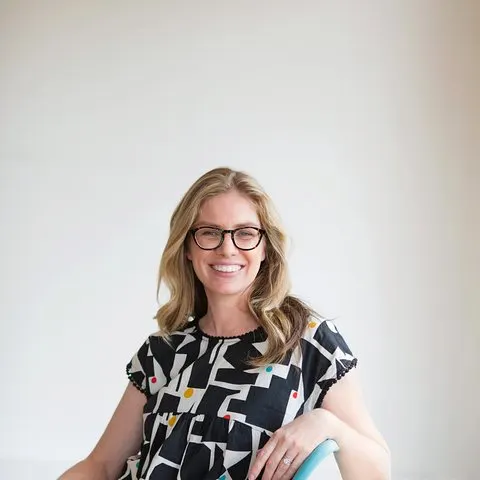
Rebecca McCash said lived experience is still treated as an optional extra
In short
At Think Autism Melbourne in 2026, the FutureTech founder argued that funders and institutions expect autistic people to be grateful for an invitation, when they should be paying for their expertise.
Read it instead, 4 minutesThe transcript
The story
Rebecca McCash told the autistic entrepreneurs showcase at Think Autism Melbourne on 30 May 2026 that the biggest barrier autistic founders continue to face is that “lived experience is still treated as an optional add-on” and not as genuine expertise. Because of that, McCash said, many spaces believe autistic people should simply be grateful to have been invited, when they should be paid and valued for expertise that is both lived and professional.
McCash founded FutureTech, a social enterprise that connects neurodivergent children and young people with neurodivergent mentors who have skills in the areas the young people are interested in, such as science, technology, engineering and the arts. In the pitch McCash called it an attempt at a systems solution. Children and young people, McCash said, were coming out of school traumatised and feeling they could not do anything, in places where they should have been excited, curious and safe, and it did not have to be that way. FutureTech had supported more than 150 young people, McCash said, and had hired 20 neurodivergent adults, a point of real pride. It also works with schools, communities and workplaces to share what it has learned. It was not only autistic people’s responsibility to show up in the world, McCash said; it was everyone’s responsibility to do better by autistic people and for them.
Sign in to keep reading, listening and watching.
Sign in with your email and everything in the Library is open to you: every story, every talk and every episode. It is free and it always will be. If you can, a donation helps keep it free for everyone.
Sources the story draws on
- Community Engagement Payment Policy: Payment to individuals and organisations engaged by the NDIS Commission (version 2.0) (opens in a new tab), NDIS Quality and Safeguards Commission
- National Autism Strategy 2025 to 2031, First Action Plan 2025 to 2026 (opens in a new tab), Commonwealth of Australia (Department of Social Services)
More from Think Autism Melbourne 2026
All 48-
 2 minutes 21 seconds, captioned The case that every autistic owned business is a social enterprise Roo Harris At Think Autism Melbourne in 2026, a panellist defined autistic enterprise by its social mission, and Roo Harris called entrepreneurship the ultimate accommodation. Both were questioning a model that leaves autistic people waiting on employers.
- 3 minutes 10 seconds, captioned Closed tenders and NDIS changes threaten autistic led social enterprises Rebecca McCash At Think Autism Melbourne in 2026, a panellist said autistic businesses rarely reach government shortlists, and Rebecca McCash warned that moving NDIS money into direct grants and tenders would turn enterprises like FutureTech into charities.
- 3 minutes 12 seconds, captioned Roo Harris reports a quarter of Scale Investors pitches from neurodivergent founders Roo Harris, Kyriakos Gold At Think Autism Melbourne in 2026, the venture investor said the share of pitches to the firm from founders identifying as neurodivergent had doubled in a year, evidence of what Harris called a hidden autistic economy.
- 2 minutes 16 seconds, captioned A Melbourne panellist taught entrepreneurship for 14 years and never used the tools Rebecca McCash At Think Autism Melbourne in 2026, a panellist argued that business plans and model canvases are built for top down thinkers who are comfortable predicting, and that autistic founders need a method that starts from what they control.
- 4 minutes 48 seconds, captioned Autistic founders are succeeding despite the systems, a Melbourne panel said Will Rosewarne, Rebecca McCash Asked at Think Autism Melbourne in 2026 whether autistic entrepreneurs succeed because of systems or in spite of them, Will Rosewarne asked which systems, and Rebecca McCash said the national strategy had not delivered what McCash expected.
- 4 minutes 52 seconds, captioned Autistic founders at Think Autism Melbourne asked whether AI could be their translator Roo Harris, Rebecca McCash and 1 more In 2026 a Melbourne panel weighed whether AI removes the translation autistic founders have had to do for a neurotypical business world. The answers ranged from cautious optimism to a new solo business registered at 66.