

Library / Watch / Think Autism Melbourne 2026

Findings, Think Autism Melbourne 2026
Roo Harris reports a quarter of Scale Investors pitches from neurodivergent founders
In short
At Think Autism Melbourne in 2026, the venture investor said the share of pitches to the firm from founders identifying as neurodivergent had doubled in a year, evidence of what Harris called a hidden autistic economy.
Read it instead, 4 minutesThe transcript
The story
Before coming on stage at Think Autism Melbourne on 30 May 2026, Roo Harris checked the firm’s numbers. Harris is a general partner at Scale Investors, a venture capital firm whose mandate, Harris said, is to invest in women and gender diverse founders. The firm collects data from pitch submissions, where founders choose to self disclose the intersectional identities they hold. In the previous year, Harris said, 12 and a half per cent of more than a thousand pitch submissions came from founders who identified as neurodivergent. In 2026, with the year only half done, the figure was 25 per cent.
Harris read the rise as evidence of a “hidden autistic economy”. In many respects, Harris said, “policy is not there, the government has not caught up”, but autistic founders were already building businesses regardless. Harris allowed that this might have been said the year before as well, and said the conviction was stronger now.
Sign in to keep reading, listening and watching.
Sign in with your email and everything in the Library is open to you: every story, every talk and every episode. It is free and it always will be. If you can, a donation helps keep it free for everyone.
Sources the story draws on
- Lack of progress for women startup founders masked by headline improvement, 2025 report shows (opens in a new tab), Women's Agenda (Brianna Boecker)
- Ask an Angel: Roo Harris, Scale Investors (opens in a new tab), LaunchVic (Holly Clark)
- Autism in Australia, 2022 (opens in a new tab), Australian Bureau of Statistics
- National Autism Strategy 2025 to 2031, First Action Plan 2025 to 2026 (opens in a new tab), Department of Social Services
More from Think Autism Melbourne 2026
All 48-
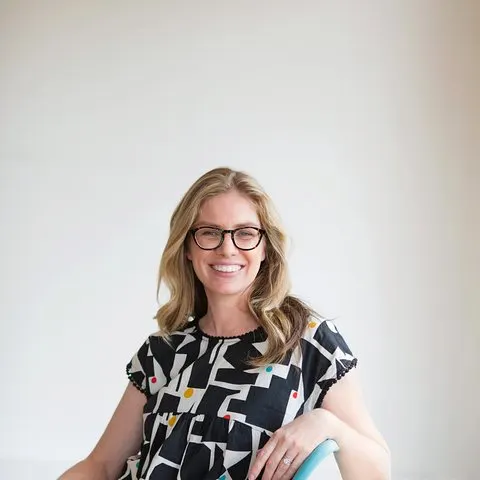 2 minutes 21 seconds, captioned The case that every autistic owned business is a social enterprise Roo Harris At Think Autism Melbourne in 2026, a panellist defined autistic enterprise by its social mission, and Roo Harris called entrepreneurship the ultimate accommodation. Both were questioning a model that leaves autistic people waiting on employers.
- 3 minutes 10 seconds, captioned Closed tenders and NDIS changes threaten autistic led social enterprises Rebecca McCash At Think Autism Melbourne in 2026, a panellist said autistic businesses rarely reach government shortlists, and Rebecca McCash warned that moving NDIS money into direct grants and tenders would turn enterprises like FutureTech into charities.
- 2 minutes 16 seconds, captioned A Melbourne panellist taught entrepreneurship for 14 years and never used the tools Rebecca McCash At Think Autism Melbourne in 2026, a panellist argued that business plans and model canvases are built for top down thinkers who are comfortable predicting, and that autistic founders need a method that starts from what they control.
- 4 minutes 48 seconds, captioned Autistic founders are succeeding despite the systems, a Melbourne panel said Will Rosewarne, Rebecca McCash Asked at Think Autism Melbourne in 2026 whether autistic entrepreneurs succeed because of systems or in spite of them, Will Rosewarne asked which systems, and Rebecca McCash said the national strategy had not delivered what McCash expected.
- 4 minutes 52 seconds, captioned Autistic founders at Think Autism Melbourne asked whether AI could be their translator Roo Harris, Rebecca McCash and 1 more In 2026 a Melbourne panel weighed whether AI removes the translation autistic founders have had to do for a neurotypical business world. The answers ranged from cautious optimism to a new solo business registered at 66.
-
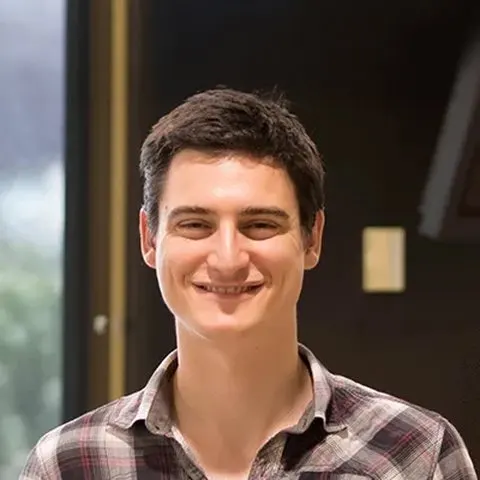 1 minute 10 seconds, captioned Focus Bear’s founder reported trial results from 235 university students Jeremy Nagel At Think Autism Melbourne in 2026, Jeremy Nagel said a randomised trial of his self control app showed less smartphone addiction. Think recordings from 2023 show how differently the product was first described.